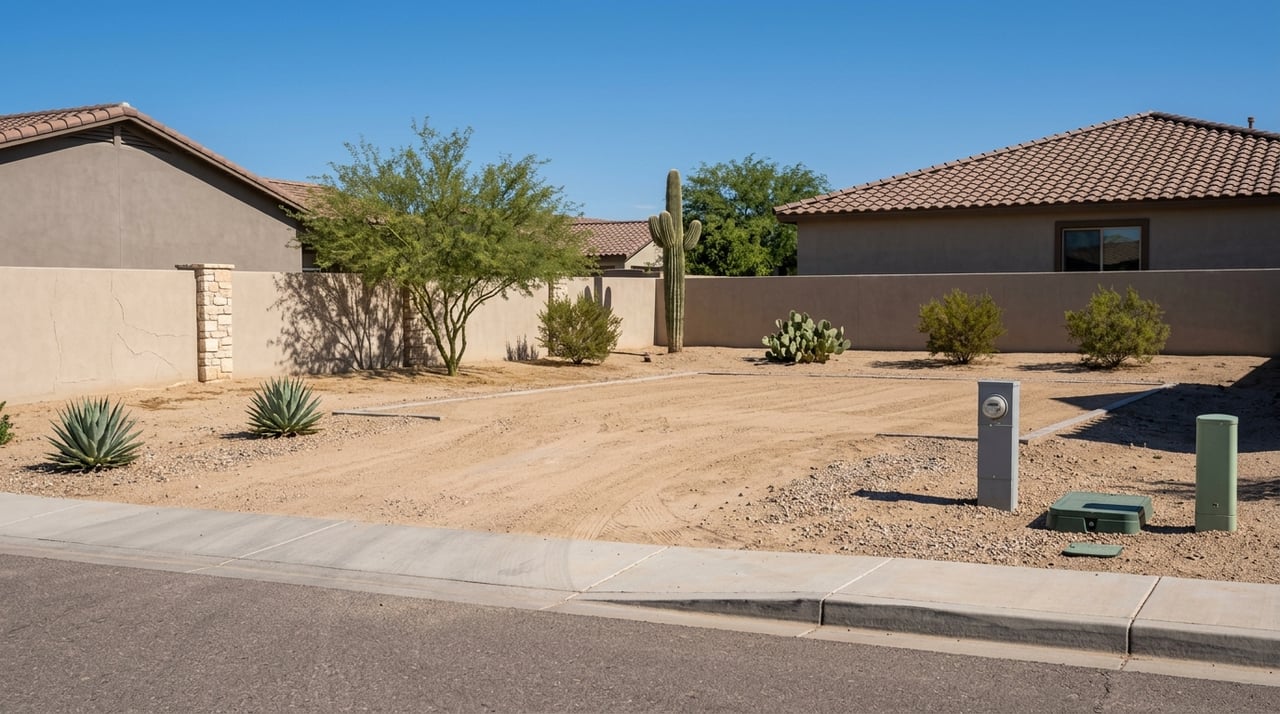
Buying desert land near Picacho can look simple at first glance. A listing may promise wide-open space and future potential, but vacant land is only a good opportunity if the specific parcel fits what you want to do with it. If you are thinking about building, holding, or investing, the smartest first move is parcel-by-parcel due diligence. This guide will walk you through the key checks so you can move forward with more clarity and fewer surprises. Let’s dive in.
Start With the Exact Parcel
When you shop for land near Picacho, it helps to think less about the general area and more about the exact lot. In unincorporated Pinal County, land use questions are handled at the parcel level through county planning, zoning, and mapping tools. That means the first question is not just whether land is available, but whether this parcel supports your intended use under current rules.
Pinal County’s Planning Department oversees zoning, site plans, variances, minor land divisions, and related land-use processes. You can also use the county’s public parcel and mapping tools, including the Assessor Parcel Search, to verify the APN and begin reviewing what is on record before you get too far into a deal.
Check Zoning and Legal Lot Status
Zoning should be one of your earliest checks. If you want to build a home, place improvements, or hold land for a future project, you need to confirm that the parcel’s current zoning matches that plan. This is not something you should assume from marketing remarks or nearby properties.
Legal lot status matters just as much. Pinal County has a formal Minor Land Division process for certain smaller parcel splits in unincorporated areas. If a parcel was recently divided, or if a split is still pending, you will want to confirm whether it has been legally created and whether the recorded documents match what is being marketed.
Why legal lot status matters
A parcel can look fine on a map and still raise issues later if the split, plat, or survey paperwork is incomplete. That can affect financing, title review, permitting, and your ability to move forward with improvements. It is one of the main reasons buyers should verify the record, not rely on listing language alone.
Confirm Access Before You Buy
Access is one of the biggest vacant land issues in desert areas. A parcel may appear to touch a road, but you still need to know whether access is legal, practical, and recognized for your intended use. This can affect future building plans, utility work, and overall usability.
Pinal County’s subdivision and infrastructure guidance states that new access onto a county roadway, including a driveway or roadway connection, requires a Right-of-Way Use Permit and County Engineer approval through the county’s Subdivision and Infrastructure Design Manual. The county also notes in its FAQ guidance that roads not maintained by the county must meet county standards before the county would consider taking them into the maintenance system.
Access questions to ask early
- Does the parcel have recorded legal access?
- Is the road county-maintained or privately maintained?
- Will a future driveway need a permit?
- Are there right-of-way or engineering issues that could add cost?
These are not minor details. They can shape what the property will actually cost you to use or improve.
Treat Water, Power, and Sewer Separately
One of the most common mistakes with vacant land is assuming utilities are available because they are somewhere nearby. In Pinal County, utility service should be verified directly with the provider serving the exact parcel. The county does not confirm utility service areas for buyers.
According to Pinal County’s FAQ page, buyers must contact utility providers directly for water and other utility service. The county also states that it will not permit power to a vacant parcel without a primary use, although electricity for a well on vacant land may be permitted separately through mechanical, plumbing, and electrical permitting.
What that means in practice
You should treat these as separate due-diligence items:
- Water service availability
- Sewer service availability, if any
- Power availability and extension cost
- Whether a well is realistic
- Whether septic will be required
The county also lists a Picacho Domestic Water Improvement District and multiple electrical districts in its special-district information. That suggests service boundaries may depend on the exact parcel location, not just the Picacho name on the listing.
Review Well and Septic Feasibility
If public utility service is not available, you may be looking at a private well, a septic system, or both. That is common for desert land, but it still requires parcel-specific review. Feasibility depends on the parcel size, local conditions, and the approval process.
Pinal County’s Aquifer Protection Division, referenced in the county’s frequently asked questions, handles septic permits and inspections and reviews well permit applications for referral to the Arizona Department of Water Resources on parcels of 5 acres or less. This is an important step for buyers considering smaller rural lots.
For water research, ADWR offers an official Well Record Search. Reviewing nearby well records can help you screen for depth and construction patterns in the area. It is not a guarantee of future well performance, but it can give you a useful starting point before you invest more time and money.
Understand Water Supply Context
Water planning is especially important near Picacho because the area sits within the broader Pinal County groundwater management framework. Arizona’s water resources are finite, and long-term feasibility matters when you are buying land that may depend on groundwater.
ADWR explains that the Pinal Active Management Area exists because of the need to manage limited groundwater resources while balancing multiple uses. For you as a buyer, that makes water availability and well planning central parts of the purchase decision, not side notes.
Screen for Floodplain and Drainage Issues
Desert land can still have flood risk. Washes, drainage channels, and low spots may not stand out on a casual property visit, especially in dry weather. That is why floodplain review should be part of your early screening.
Pinal County says flood zone determinations are based on current Flood Insurance Rate Maps and offers flood information tools for parcel review. The county also notes that a Floodplain Use Permit can be separate from a building permit for single-lot residential development.
Quick floodplain checks
- Review county flood mapping
- Check for washes or drainage paths on or near the lot
- Ask whether a floodplain permit may be required
- Factor site drainage into any future build budget
A lot does not need to look wet to create drainage challenges later.
Check Subsidence and Earth Fissure Maps
This is one of the most overlooked parts of buying desert land near Picacho. Southern Pinal County includes the Picacho-Eloy land subsidence feature, and that can have real implications for roads, foundations, pipes, and wells.
ADWR provides information on the Picacho-Eloy land subsidence feature. The Arizona Geological Survey also explains, through the ADWR-cited geologic context, that earth fissures can form from basin subsidence related to groundwater withdrawal and may damage infrastructure.
Why this matters for buyers
If a parcel falls within a mapped subsidence or fissure area, it does not automatically mean you should walk away. It does mean you should slow down, review the maps carefully, and consider whether a geotechnical professional should weigh in before you close or design a build.
Build a Smart Due-Diligence Team
Vacant land often needs more specialists than a resale home purchase. That is because zoning, access, title, survey work, septic, wells, floodplain review, and geologic conditions all run through different systems. A parcel that looks simple online can involve several layers of review.
A practical team may include:
- A land-use professional or planner
- A title company or real estate attorney
- A licensed surveyor
- A civil engineer
- A septic designer or installer
- A well driller
- A geotechnical engineer, if site conditions call for it
This workflow aligns with the county’s planning structure and public tools, starting with parcel verification and then moving into physical and regulatory feasibility.
Follow a Simple Purchase Workflow
If you want a practical way to approach land near Picacho, keep your process in order. Early checks can save you from spending money on a parcel that does not fit your goals.
A smart sequence for desert land
- Verify the APN and review the parcel record.
- Confirm zoning and intended use with Pinal County.
- Check whether the parcel is a legal lot.
- Review access, right-of-way, and road conditions.
- Contact utility providers about water, sewer, and power.
- Screen for floodplain issues.
- Check subsidence and fissure mapping.
- Consult survey, septic, well, or engineering professionals before closing.
If excavation or trenching will ever be part of your project, Arizona law also makes safe utility locating important. The Arizona Corporation Commission notes that AZ811 is the free one-call system for locating underground utility lines before digging.
Final Thoughts on Picacho Land
Desert land near Picacho can offer flexibility and long-term potential, but only when you evaluate the parcel in front of you, not the idea of desert land in general. Zoning, legal lot status, access, utility service, well and septic feasibility, floodplain review, and subsidence screening all deserve your attention before you buy.
If you want a local real estate partner who values careful research, clear guidance, and practical next steps, connect with Leticia Wapler. Whether you are buying from nearby or planning a remote transaction, you can get help navigating land opportunities with a more informed strategy.
FAQs
What should you check first when buying land near Picacho?
- Start by verifying the APN, zoning, and parcel details through Pinal County so you can confirm the lot supports your intended use.
Can you assume desert land near Picacho has utilities available?
- No. Pinal County says buyers should contact utility providers directly because utility availability is not automatically verified by the county.
How do you know if a Picacho parcel is a legal lot?
- Review county records and confirm whether the parcel was legally created, especially if it may have come from a recent split or minor land division.
Do you need to check floodplain maps for vacant land near Picacho?
- Yes. Desert parcels can still have washes, drainage paths, or mapped flood risk that may affect future building plans.
Why does land subsidence matter for property near Picacho?
- The broader area includes the Picacho-Eloy land subsidence feature, and mapped subsidence or fissure conditions can affect roads, foundations, wells, and other improvements.
Can you get power to a vacant parcel near Picacho right away?
- Not always. Pinal County states it will not permit power to a vacant parcel without a primary use, though power for a well may be handled separately through permit review.
What professionals can help with land due diligence near Picacho?
- Depending on the parcel, you may need support from a planner, title company or attorney, surveyor, civil engineer, septic professional, well driller, or geotechnical engineer.