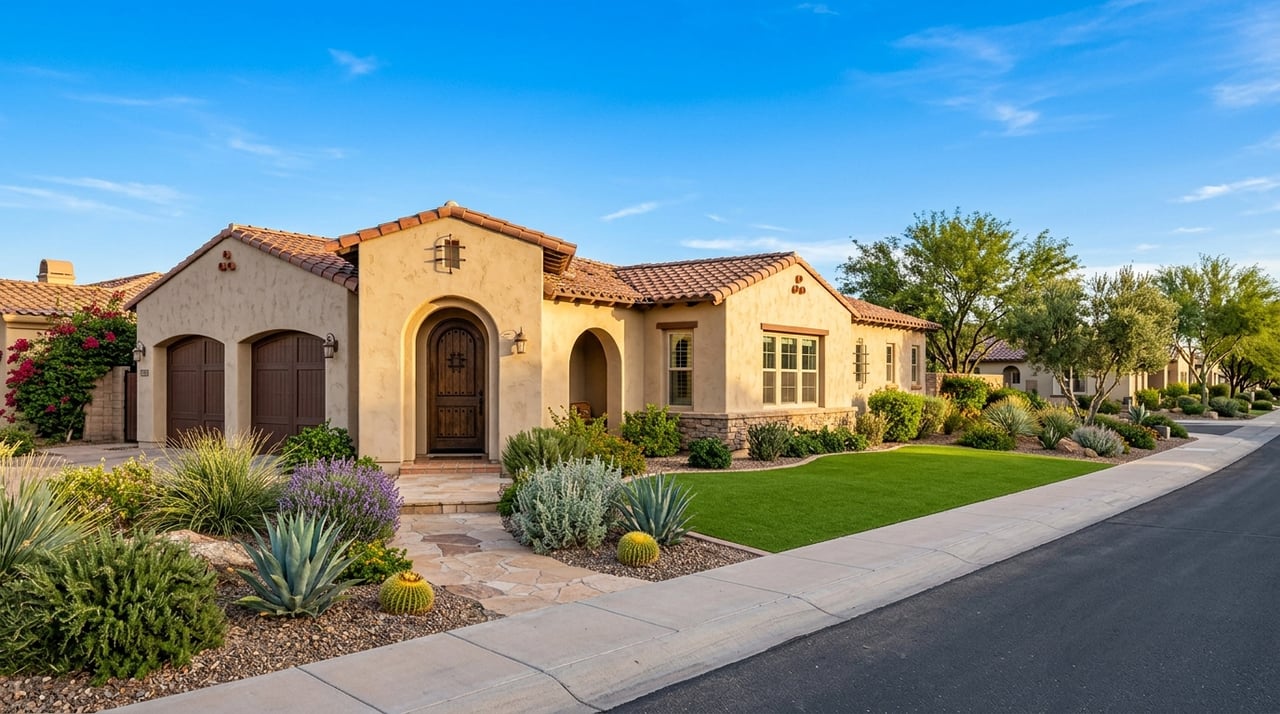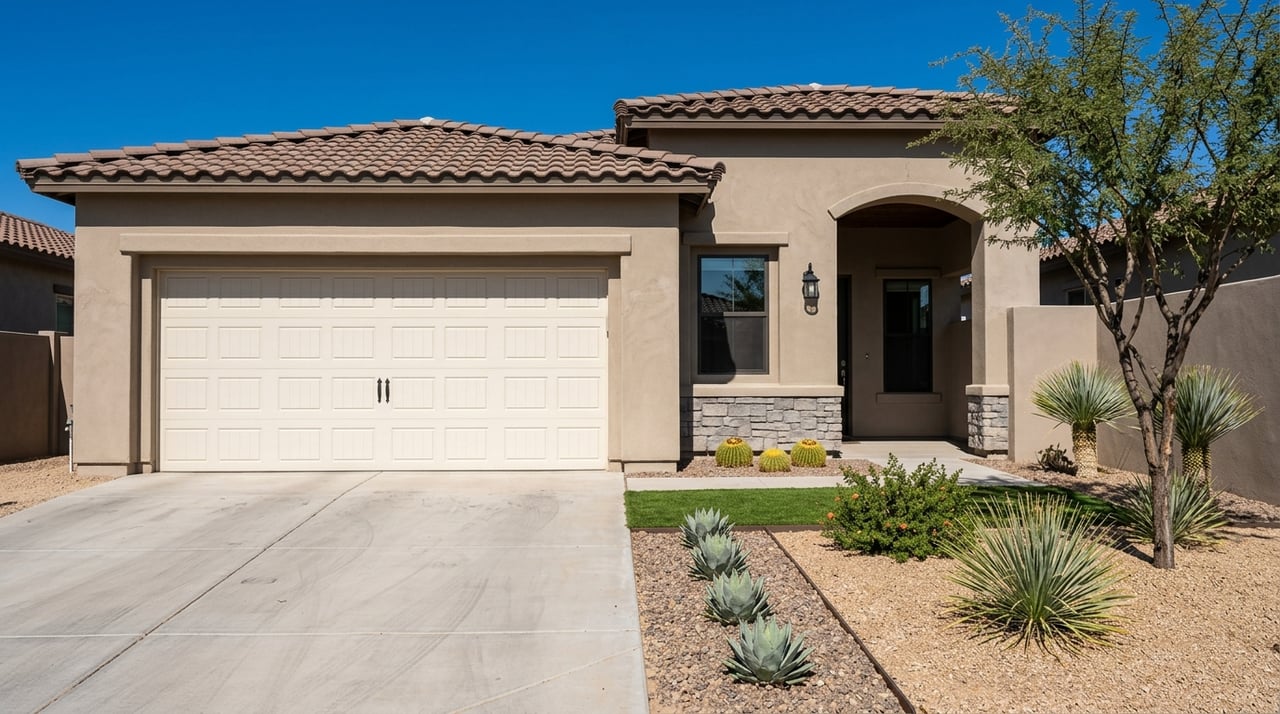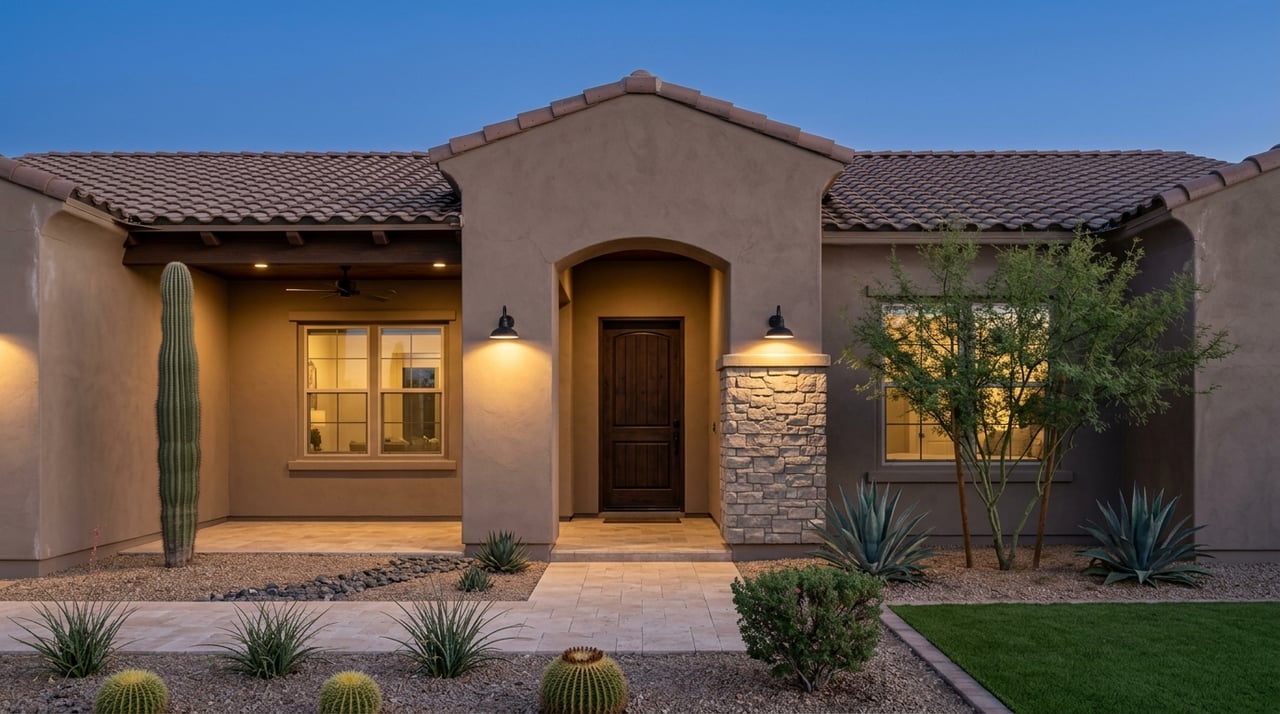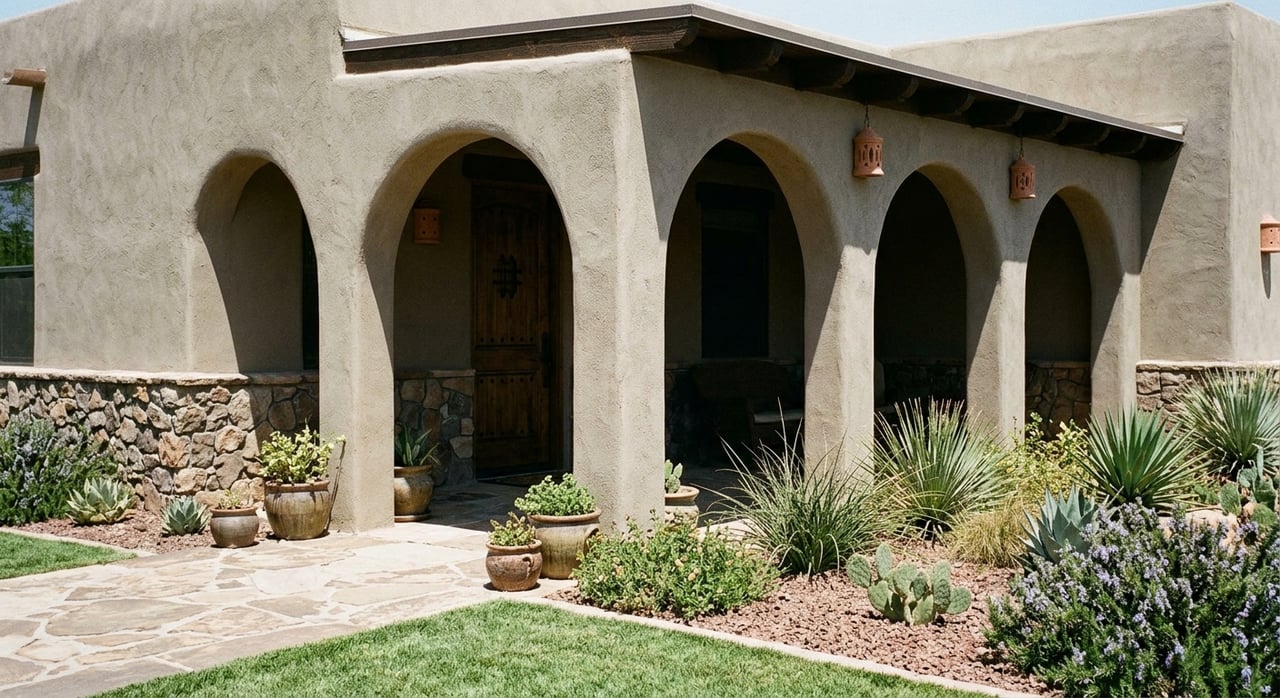
Selling a home in Yuma can feel simple from the outside, but the details matter more than ever. If you want to protect your price, reduce surprises, and keep your move on schedule, you need more than a yard sign and a guess on value. This step by step guide walks you through what to expect, how to prepare, and where smart planning can make a real difference. Let’s dive in.
Understand the Yuma market first
Before you list, it helps to know what kind of market you are stepping into. According to Redfin’s Yuma housing market data, the median sale price in Yuma was $331,500 in March 2026, and homes sold after a median of 67 days. Zillow’s Yuma home value data also showed a typical home value of $301,508, with 798 homes in inventory and a median of 50 days to pending as of March 31, 2026.
Those numbers use different methods, so they should not be treated as identical. Still, both sources point to the same takeaway: selling in Yuma is not automatic. Pricing, preparation, and presentation still matter.
Start with a selling consultation
A strong sale usually begins before your home ever hits the market. The first step is to review your goals, your timeline, your property condition, and the likely pricing range based on local comparable sales.
This part matters because Yuma values can vary a lot by area. Zillow’s neighborhood-level data shows a wide spread, from about $249,856 in Sunset Mountain Villas to about $473,090 in Cresta Gila Estates. That is why a citywide average is only a starting point, and why neighborhood-specific comps are often more useful than broad estimates.
Price your Yuma home strategically
Pricing is one of the most important decisions you will make. Set the price too high, and you may lose early momentum while buyers compare your home against other options. Price too low without a clear strategy, and you risk leaving money on the table.
The goal is not to chase a headline number. The goal is to use current neighborhood comps, buyer demand, inventory, and your home’s condition to land on a price that attracts serious attention.
According to NAR’s 2025 seller research, sellers value agents most for help marketing the home, pricing it competitively, and selling within a specific timeframe. That lines up with what many Yuma sellers need most: a clear plan, not guesswork.
Prepare the home before listing
Once pricing strategy is set, your next step is getting the home market-ready. This often includes decluttering, cleaning, touch-up repairs, and improving curb appeal before photos and showings begin.
That prep work can pay off. In NAR’s 2025 staging report, 29% of agents said staging produced a 1% to 10% increase in the dollar value offered, and 49% of sellers’ agents said staging reduced time on market. NAR also found that the most common seller recommendations were decluttering, cleaning, and improving curb appeal.
Focus on the basics first
You do not always need a full redesign to make your home more appealing. In many cases, the most helpful improvements are the simplest ones.
A practical pre-listing checklist may include:
- Remove excess furniture and personal items
- Deep clean kitchens, bathrooms, floors, and windows
- Patch visible wall damage and refresh paint where needed
- Replace burned-out bulbs and improve lighting
- Tidy landscaping and entry areas
- Address small repairs before buyers notice them
Complete disclosures early
In Arizona, disclosures should be handled carefully and early in the process. According to the Arizona Department of Real Estate disclosure guidance, a licensee must disclose in writing any information they know about that materially affects the transaction, including a material defect in the property or the existence of a lien or encumbrance.
For sellers, the practical takeaway is simple: honesty upfront usually creates a smoother transaction later. If there are known issues with the property, past repairs, or HOA-related documents to gather, it is better to address them before a buyer is under contract.
Know the SPDS and HOA documents
Arizona sellers should expect to provide a Seller’s Property Disclosure Statement, often called the SPDS. According to ADRE’s SPDS information, every buyer should receive one, and Arizona law also requires HOA disclosure in applicable transactions.
If your home is in a planned community, it helps to gather HOA documents, CC&Rs, and any known property information early. That can reduce delays once you receive an offer.
Create a strong launch plan
Once the home is ready, your listing launch should be designed to meet buyers where they already are: online. In NAR’s 2025 buyer and seller trends report, the first step for most buyers was looking online, and photos were the most useful website feature for 83% of internet users. Detailed property information was also highly valued.
That means your launch should go beyond basic phone photos and a short description. Professional photos, strong listing copy, and detailed property information help your home stand out from the start. Floor plans, virtual tours, or video may also add value when the layout or outdoor living areas are a key selling point.
Use more than one marketing channel
A strong marketing plan should not rely on one outlet alone. NAR found that sellers’ agents most commonly used the MLS website, yard signs, open houses, social media, virtual tours, and video as part of their marketing efforts.
That kind of mix helps your home reach both local buyers and people planning a move to Yuma from elsewhere. For sellers, this is where full-service support can make the process feel much more organized and consistent.
Manage showings with a plan
Once your home goes live, showings and buyer feedback begin. This stage can move quickly or slowly depending on pricing, condition, demand, and how your home compares with others buyers are touring.
The same NAR report found that buyers typically searched for 10 weeks and viewed a median of seven homes. More than half said finding the right property was the hardest part of buying, which helps explain why buyers often compare homes closely before making an offer.
In other words, expect buyers to be selective. Flexible showing access, a clean home, and a calm response to feedback can help keep your listing competitive.
Review offers carefully
An offer is exciting, but the highest price is not always the strongest offer. You also need to look at financing terms, contingencies, requested timelines, and the overall likelihood of closing.
This is where negotiation matters. NAR reports that 88% of buyers purchased through an agent or broker, so many negotiations happen agent to agent, with several rounds of questions, counters, and terms review. A thoughtful response strategy can help you protect both your bottom line and your schedule.
Look beyond purchase price
When comparing offers, consider:
- Offered price
- Financing type and strength
- Inspection and other contingencies
- Requested closing date
- Seller concessions, if any
- The buyer’s overall ability to stay on timeline
The best offer is often the one that balances price with clean, workable terms.
Move through escrow and closing
Once you accept an offer, the transaction moves into escrow. According to the Arizona Department of Real Estate escrow guidance, all monies entrusted to the broker must be deposited into a neutral escrow depository in Arizona unless otherwise agreed to in writing.
ADRE also defines closing as the final step of a real estate transaction, when consideration is paid, delivered, or placed in escrow. During this period, you may be coordinating inspections, requested repairs, title work, and final paperwork.
Prepare for final details
Closing is also where property tax records and prorations may come into play. The Yuma County Assessor appraises property at current market value and processes exemptions, while the Treasurer’s Office handles tax payments and parcel services.
For sellers, this is a reminder to verify key property records early and stay responsive as settlement approaches. Small delays in paperwork can create larger timing issues if you are also buying, relocating, or coordinating a move.
Know what a realistic timeline looks like
One of the most common seller questions is how long it will take to sell. Based on current Yuma data, a fast sale is possible, but it should not be assumed. Redfin and Zillow suggest a rough range of about 50 to 67 days to pending or sold, depending on the source and metric.
That is why planning matters so much. If you need to move by a certain date, it helps to build your timeline around preparation, market time, negotiation, escrow, and closing instead of focusing only on listing day.
Why a step by step process matters
Selling your Yuma home is not just about putting it online and waiting. It is a sequence of decisions, each one affecting the next: pricing, prep, disclosures, launch, showings, negotiation, and closing.
When those steps are handled in the right order, the process feels more manageable and more predictable. If you want local guidance, clear communication, and a plan built around your timeline, connect with Leticia Wapler to schedule your next steps.
FAQs
How long does it usually take to sell a home in Yuma?
- Current Yuma market data suggests roughly 50 to 67 days to pending or sold, depending on the source and metric used.
Why does neighborhood pricing matter when selling a Yuma home?
- Yuma home values vary widely by neighborhood, so local comparable sales usually give you a more accurate pricing strategy than a single citywide average.
Do staging and professional photos help when selling a Yuma house?
- Yes. NAR reports that staging can increase offered value for some homes and reduce time on market, while buyers say photos are one of the most useful listing features online.
What disclosures do Arizona sellers need for a Yuma property sale?
- Arizona sellers should be prepared to provide the SPDS and disclose known material defects, liens, encumbrances, and HOA information when applicable.
What happens during escrow when selling a home in Yuma, Arizona?
- After your offer is accepted, the transaction moves through escrow, where inspections, title work, tax prorations, and final closing documents are coordinated before settlement.