Trying to decide between a home in Yuma or in Fortuna Foothills? You are not alone. Many buyers weigh space and privacy against commute time and services when choosing between these neighboring areas. In this guide, you will see how housing, lot sizes, utilities, amenities, and future development differ so you can match your lifestyle and budget to the right fit. Let’s dive in.
Yuma vs. Foothills at a glance
Yuma is an incorporated city with a larger population and municipal services. The 2020 Census counted 95,548 residents in the city, with recent estimates passing 100,000. You can verify current figures on the U.S. Census QuickFacts for Yuma city.
Fortuna Foothills is an unincorporated census designated place east of I 8. It had 27,776 residents at the 2020 Census and a higher share of adults 65 and older. See the U.S. Census QuickFacts for Fortuna Foothills CDP for current demographics.
Drive time is a common deciding factor. Fortuna Foothills to central Yuma is roughly 13 to 17 miles, often a 15 to 30 minute drive depending on the exact start and end points and traffic. You can check a route snapshot using a distance calculator like TravelMath’s Yuma to Fortuna Foothills page.
Housing types and lot sizes
Yuma city
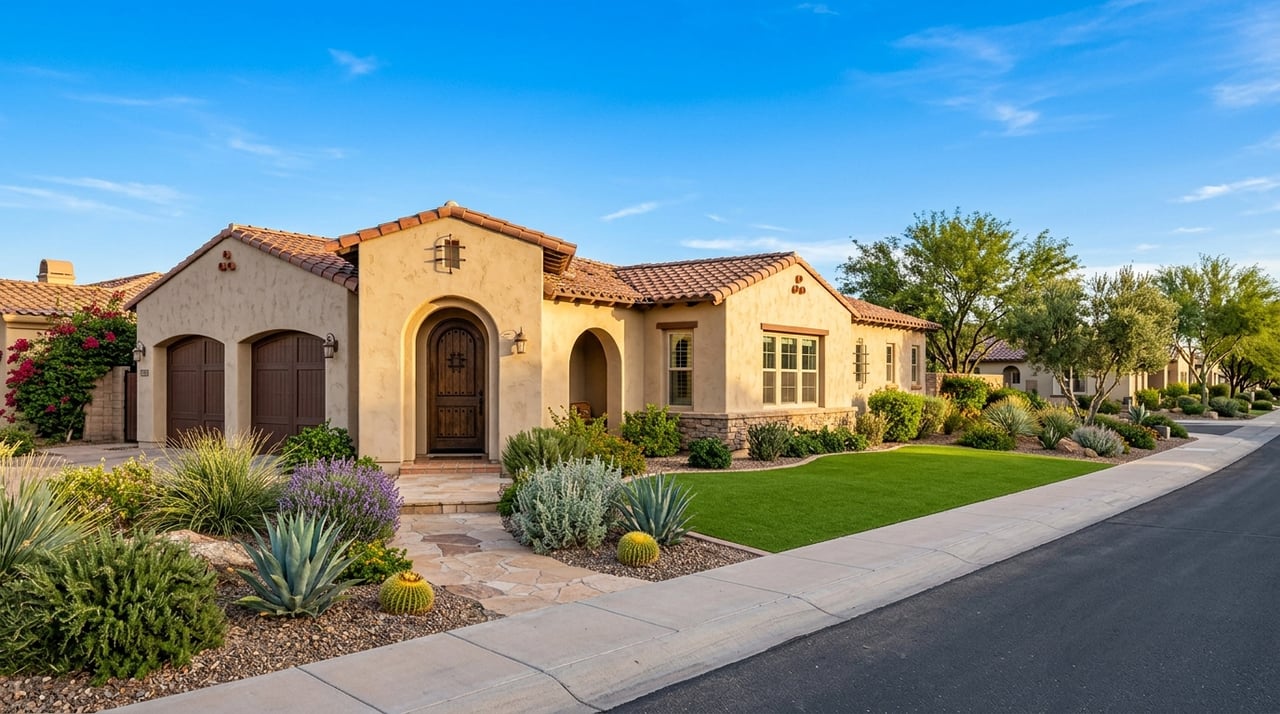
Inside the city, you will find a wide mix of homes. There are older central neighborhoods with character homes, mid century single family houses, newer suburban subdivisions, and some multifamily options. Product variety tends to be broader in town, which helps buyers at different price points and with different space needs.
Lots are typically smaller in newer subdivisions. Quarter acre or smaller is common, with connected street grids and full municipal services that support higher density. Always verify lot size on the parcel record for any listing.
Fortuna Foothills
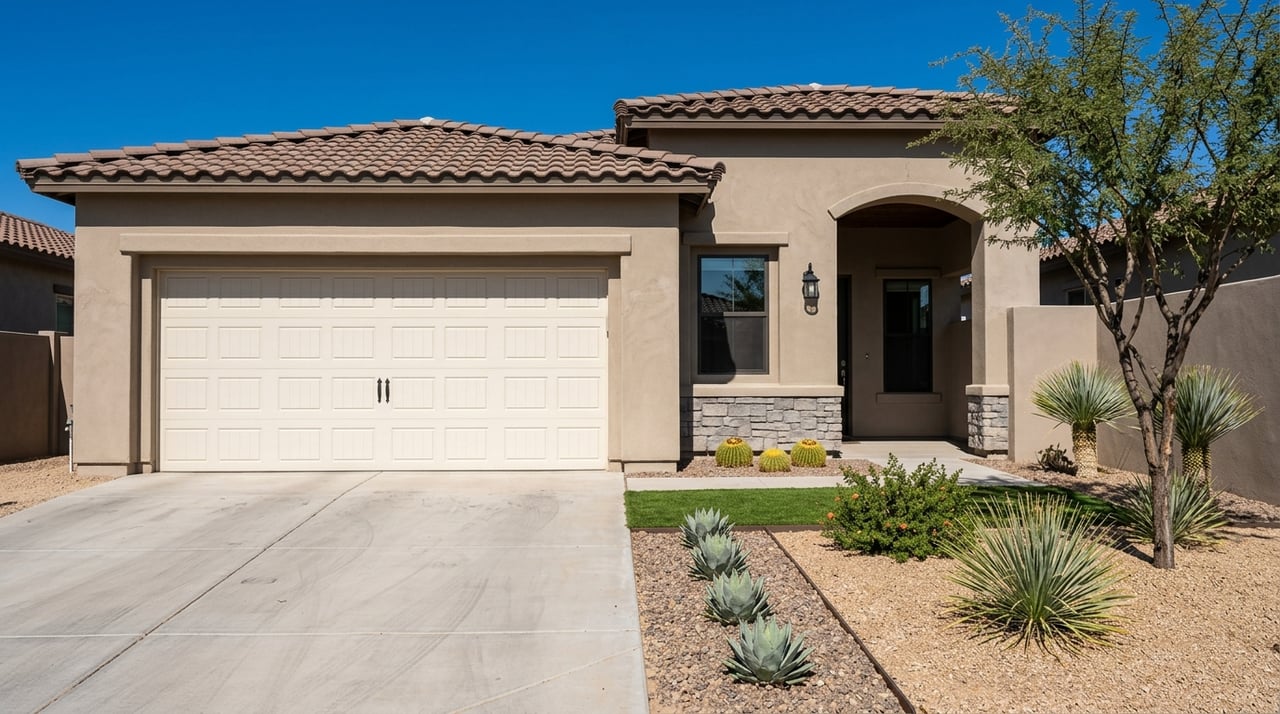
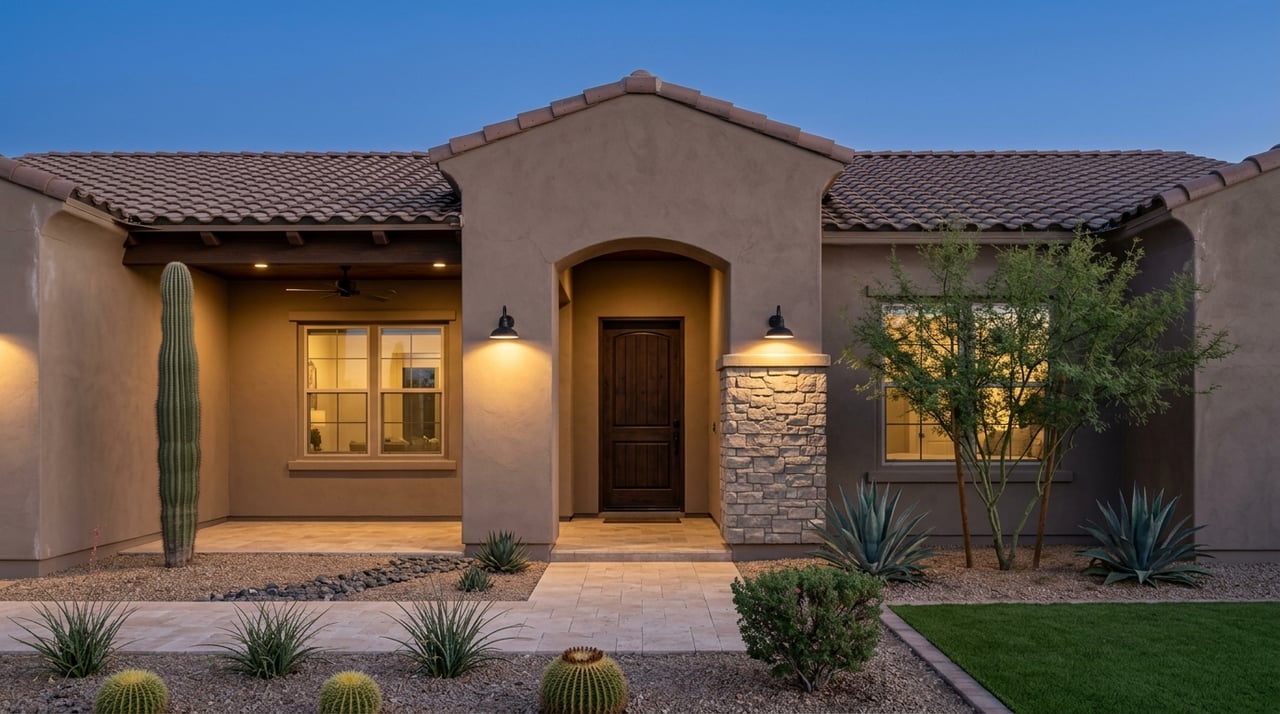
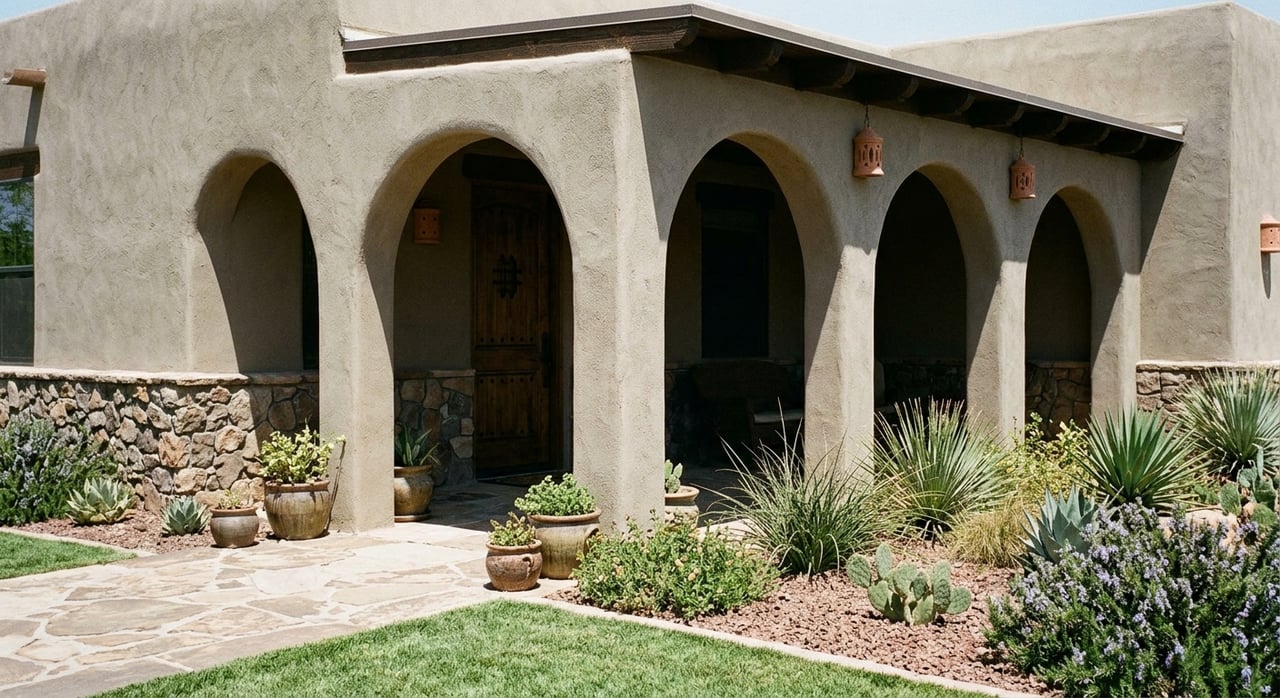
In the Foothills, the pattern skews toward single story homes, manufactured and mobile home communities, RV and resort style parks, and low density subdivisions. You will also find pockets with larger desert lots. Many neighborhoods were designed with seasonal and long term residents in mind, which is why you see so many one level homes and low maintenance setups.
Lot sizes vary a lot by subdivision. Many parcels in the Foothills run from roughly a half acre to multiple acres, and some older plats historically allowed very low densities. Yuma County has approved rezoning in recent years that increases density in select areas, so you should confirm a property’s exact zoning and recorded lot size before you write an offer.
What the market is signaling
Prices move with inventory type and location. As a citywide measure, Zillow’s Home Value Index for Yuma was about 296,700 dollars as of January 2026. In Fortuna Foothills, recent vendor snapshots showed a median sale price near 310,000 dollars for January 2026, while some listing medians ran higher and some neighborhood pockets were below 300,000 dollars. Vendor figures vary because the Foothills mix includes everything from mobile home parks to larger lot single family homes. For a precise comparison at your target price, request neighborhood specific MLS comps.
Days on market in the Foothills can run longer when larger lot or seasonal inventory is dominant, while in city turnover can look faster in popular subdivisions. The best way to read these signals is to focus on the neighborhoods you will actually bid in rather than broad citywide averages.
Utilities and key services
Inside Yuma city limits
Water and wastewater services are municipal, with a single point of contact and published rate schedules. The City of Yuma implemented multi year water and wastewater rate adjustments beginning August 1, 2024 to fund capital needs. You can review utility services and contacts on the City of Yuma Utilities page.
Police and fire services are provided by city departments. If rapid response times are a priority, check station locations relative to the property you are considering.
In Fortuna Foothills
Utilities are provided by a mix of private and special district operators. Portions of the area are served by Foothills Utilities or Foothills Water and Sewer. The Arizona Department of Environmental Quality has active permits and notices for local wastewater facilities that are worth reviewing. See the ADEQ public notice for the Foothills Water and Sewer wastewater treatment plant.
Customers have discussed service and rate changes in recent years. For example, Foothills Utilities has hosted public meetings on proposed rate increases. You can read a local summary of a virtual meeting about rate hikes from KAWC.
Fire and law enforcement coverage in the Foothills is through county arrangements. As with any unincorporated area, service levels and response times can differ from city service, so review station proximity and ask your insurance agent about any rating impacts.
Practical utility checklist
- Confirm the exact water, sewer, trash, and electric providers for the parcel.
- Request recent water and sewer bills from the seller if available.
- Ask whether the home is on septic, a private sewer system, or a connection to a private utility.
- Review any current or pending rate notices from the utility provider.
- For in city homes, review the city’s current rates and capital plans on the City of Yuma Utilities page.
Schools and nearby healthcare
School assignments vary by address in both Yuma and the Foothills. Most of the Foothills falls within Yuma Elementary School District and Yuma Union High School District, while a portion is within Wellton Elementary and Antelope Union High. Because boundaries can split within the Foothills, verify the assigned schools for the exact property address. A general starting point is the Fortuna Foothills, Arizona page, then follow district links for current boundary maps.
Yuma anchors the region’s hospital network. Yuma Regional Medical Center began rebranding to Onvida Health in late 2024 and 2025, a change covered in local reporting from KYMA. To explore current service lines, visit the health system’s site at Onvida Health. For many buyers, proximity to these clinics and the hospital campus is a practical reason to live in or near the city.
Lifestyle, climate, and recreation
Both areas share a hot, arid desert climate with very mild winters and extremely hot summers. If you love sunshine and outdoor living, you will find plenty of it in either location.
- In Yuma, you have quick access to riverside parks, historic downtown, arts venues, and a broader mix of restaurants and retail.
- In the Foothills, you will find quiet streets, golf and community parks, and easy access to open desert for off road adventures. Get a feel for the local terrain and trails from Visit Yuma’s off road page.
Commuting and getting around
If you plan to commute, anchor your analysis to the address. From central Foothills to downtown Yuma, estimate 15 to 30 minutes depending on time of day. The primary routes are I 8 and Fortuna or Foothills Boulevard. Yuma County Area Transit runs fixed routes that touch the corridor, but the region is car oriented, so most residents drive to work, shops, and appointments. When you become serious about a specific home, test drive the route at your typical commute time.
Common destinations that shape daily travel include MCAS Yuma, Yuma Proving Ground, Arizona Western College, the hospital campus, and downtown government and retail. If you need to be close to one of these, factor that into your search map early.
Risks and near term development
Fortuna Foothills is changing. In October 2023, Yuma County approved a rezoning that increased density on a large parcel in the Foothills. Coverage noted the potential for up to about 2,000 homes and highlighted resident concerns about traffic, sewer, and infrastructure. See the report on the rezoning from AZFamily. This is a real example of how character can shift as parcels develop.
Drainage is another practical item. The Foothills includes washes and drainage features, and Yuma County has listed related improvements in recent capital plans. If you are considering a low lying or wash adjacent lot, ask about drainage history, planned projects, and any flood insurance requirements.
Wildfire risk does exist in surrounding desert areas, especially during dry, windy periods. Check brush around the property, ask about local vegetation management rules, and confirm insurance coverage.
How to choose your best fit
Use these prompts to align your search with your daily life and costs.
- Commute and convenience. How often will you drive into Yuma for work, school, healthcare, or shopping? Test the route at a typical time.
- Lot size and privacy. Do you want a larger lot and a quieter street, or do you prefer a smaller lot close to city services and activities?
- Utility services. Are you more comfortable with municipal water and sewer, or are you open to private utility providers if it means a larger lot or lower density?
- Housing type. Are single level layouts or low maintenance options a priority? Focus your search on neighborhoods that match.
- Budget and value. Compare like for like in the same price band. Ask for recent MLS comps in the specific neighborhoods you like.
- Future changes. In the Foothills, check county rezoning actions and utility or drainage projects. In the city, review nearby infill and road work.
- Schools and healthcare. If these are priorities, map assigned schools and clinic or hospital proximity for each address.
Buyer checklist
- Verify municipal versus private utility providers. For city properties, review services on the City of Yuma Utilities page. For Foothills parcels, ask for recent bills and any rate notices, and review ADEQ materials like the Foothills Water and Sewer permit notice.
- Confirm lot size and zoning on the county parcel record, and ask about any pending rezoning nearby.
- Link the property address to the correct school district. Start with Fortuna Foothills, Arizona for an overview, then confirm with district boundary resources.
- If healthcare access matters, map the drive to the hospital and key clinics. For current system info, check Onvida Health.
- Ask for HOA documents where applicable, and for Foothills utilities, review any recent community updates like the KAWC summary of a Foothills Utilities rate meeting.
Ready to compare homes in both areas side by side and make a confident decision? Schedule a Free Consultation with Leticia Wapler for neighborhood level guidance, on point comps, and a plan that fits your goals.
FAQs
What are the main differences between living in Yuma and in Fortuna Foothills?
- Yuma offers municipal utilities, more in town services, and shorter drives to major employers. The Foothills offers more low density neighborhoods and larger lots in some areas, with utilities often provided by private operators.
How long is the commute from Fortuna Foothills to downtown Yuma?
- It is typically 15 to 30 minutes depending on the exact route and time of day. A quick planning tool is the TravelMath Yuma to Foothills distance page.
Who provides water and sewer service in Fortuna Foothills?
- Service varies by parcel and may be handled by private or special district providers such as Foothills Utilities or Foothills Water and Sewer. Review ADEQ materials like this wastewater permit notice and request recent bills from the seller.
Which schools serve addresses in the Foothills area?
- Most addresses fall within Yuma Elementary School District and Yuma Union High School District, with some parcels zoned to Wellton Elementary and Antelope Union High. Always confirm assigned schools for the exact property address, starting with the Fortuna Foothills overview.
Are there new developments planned in Fortuna Foothills that could affect traffic or density?
- Yes. In October 2023, Yuma County approved a rezoning that increased allowable density for a large Foothills parcel, potentially enabling up to about 2,000 homes. See the AZFamily coverage for context and follow county minutes for updates.