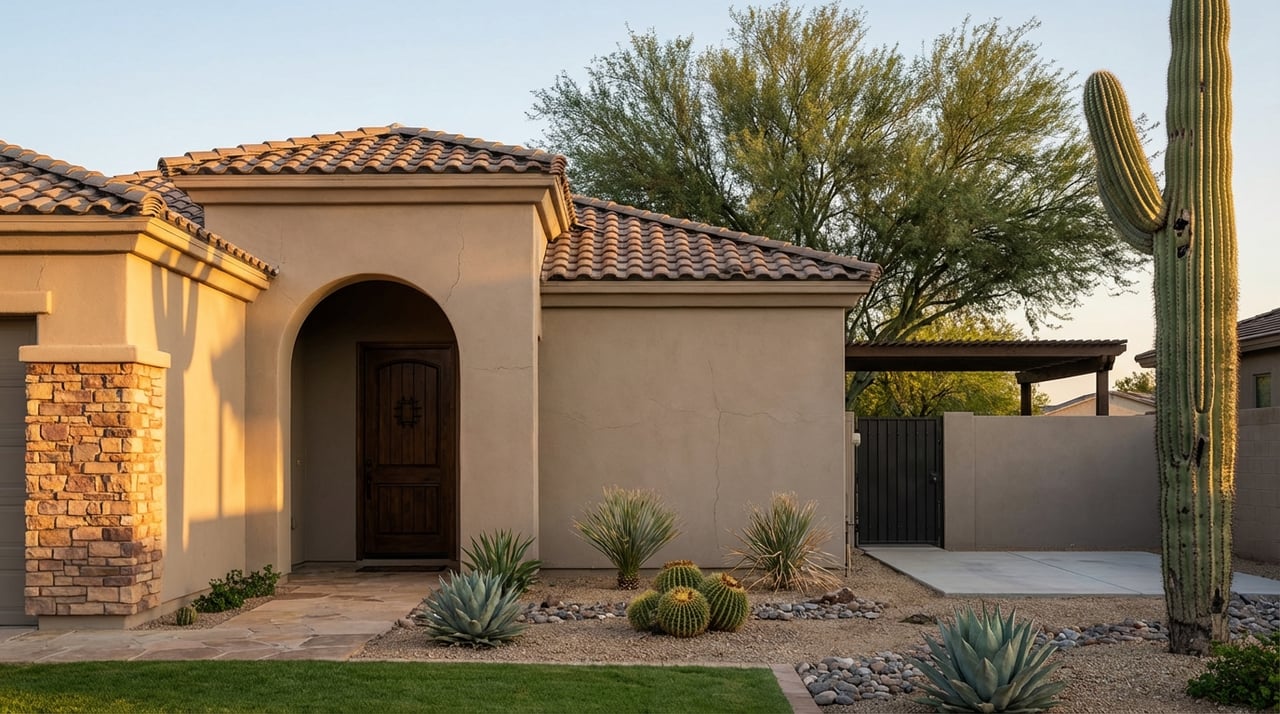
Chasing sunshine for the winter or splitting your year between states? Fortuna Foothills near Yuma offers an easygoing desert lifestyle with big skies, golf, and a strong RV and resort scene. You also need to plan for the realities of the Sonoran Desert: mild, sunny winters and extremely hot summers. In this guide, you’ll learn what each season feels like, the best ways to structure a stay, what it can cost, and practical tips to make your time here smooth. Let’s dive in.
Why Fortuna Foothills works seasonally
Fortuna Foothills sits just east of the City of Yuma in Yuma County. It functions as a residential base with quick access to Yuma’s shopping, medical, and services. According to Visit Yuma’s overview of area towns, the Foothills operates as a bedroom and seasonal community for the region.
You can reach central Yuma in roughly 20 to 30 minutes. The drive is about 14 to 17 miles from Fortuna Foothills to Yuma. Phoenix and San Diego are an easy weekend reach by car.
The Foothills had about 27 to 28 thousand residents at the 2020 Census, and the area skews older with many seasonal visitors each winter. You can see the area’s snapshot in Census QuickFacts for Fortuna Foothills.
Climate is the key driver. Winters are typically mild and dry, while late spring through early fall turns very hot. National Weather Service climate products for Yuma County confirm long strings of summer days above 100°F and very low annual rainfall. You can review the pattern in NOAA’s local climate reports.
What each season feels like
Winter: peak season
From October or November through March or April, the population swells with long-stay visitors. Peak social activity usually runs December through February, thanks to consistently sunny, comfortable days. Visit Yuma notes the area’s long history as a winter destination, with RV resorts and community calendars in full swing. Book early if you plan to arrive in peak months.
Spring: warm and active
March to May brings warm, pleasant weather. Golf, river outings, and day trips are popular through April. Visitor numbers taper after March as temperatures climb, but mornings and evenings still feel great.
Summer: very hot and quiet
June through September is a different pace. Daytime highs often top 100°F for long stretches, and many seasonal residents travel north. If you stay, plan your outdoor time for early morning or evening and make pools and indoor amenities part of your routine. Reliable air conditioning and shade are essential.
Fall: the return window
September and October bring a slow easing from summer heat. This is when many seasonal residents return and start setting up for winter. Outdoor events in the region pick up, and you can feel the area ramp back to its winter rhythm.
Popular ways to stay
RV resorts and 55+ RV communities. The Yuma and Fortuna Foothills area offers many RV parks and membership-based options with active winter calendars. Organized activities are a highlight, from pickleball to dances. You can browse regional RV options near the Foothills on The Dyrt’s Arizona listings. For a feel of seasonal programming, check a large resort’s activity calendar like Cocopah Bend RV & Golf Resort. Book early for November through March.
Furnished short-term rentals. Condos and small homes are common winter choices, especially if you want more space than an RV. Many owners offer monthly rates. Availability and rates vary by season.
Manufactured homes and park-model neighborhoods. These offer a budget-friendly base for longer seasonal use. Some residents lease long term, and others purchase for repeat winter stays.
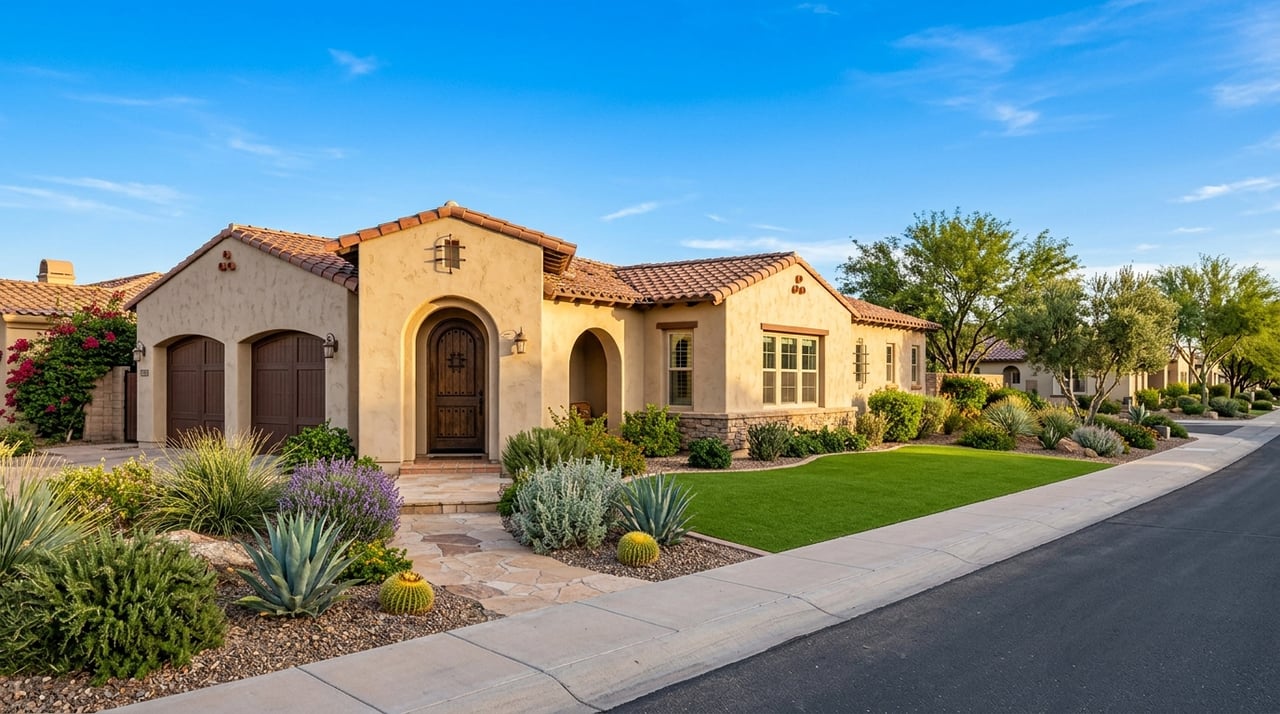
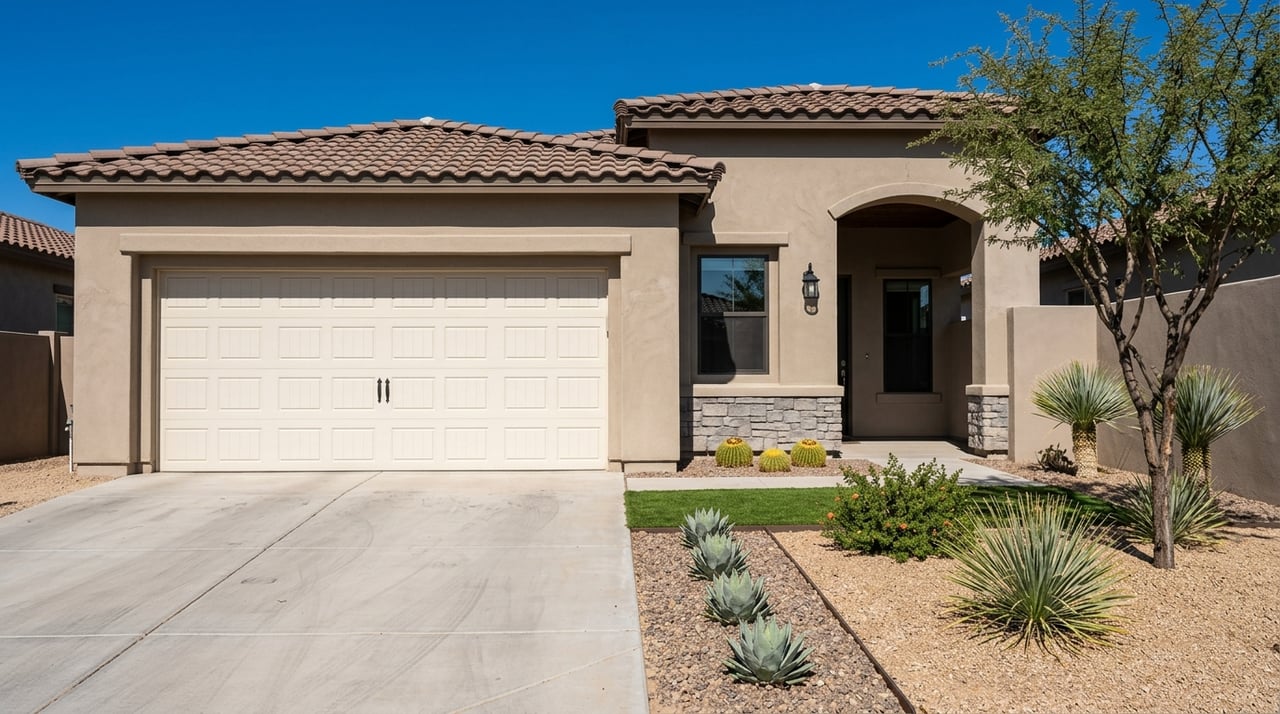
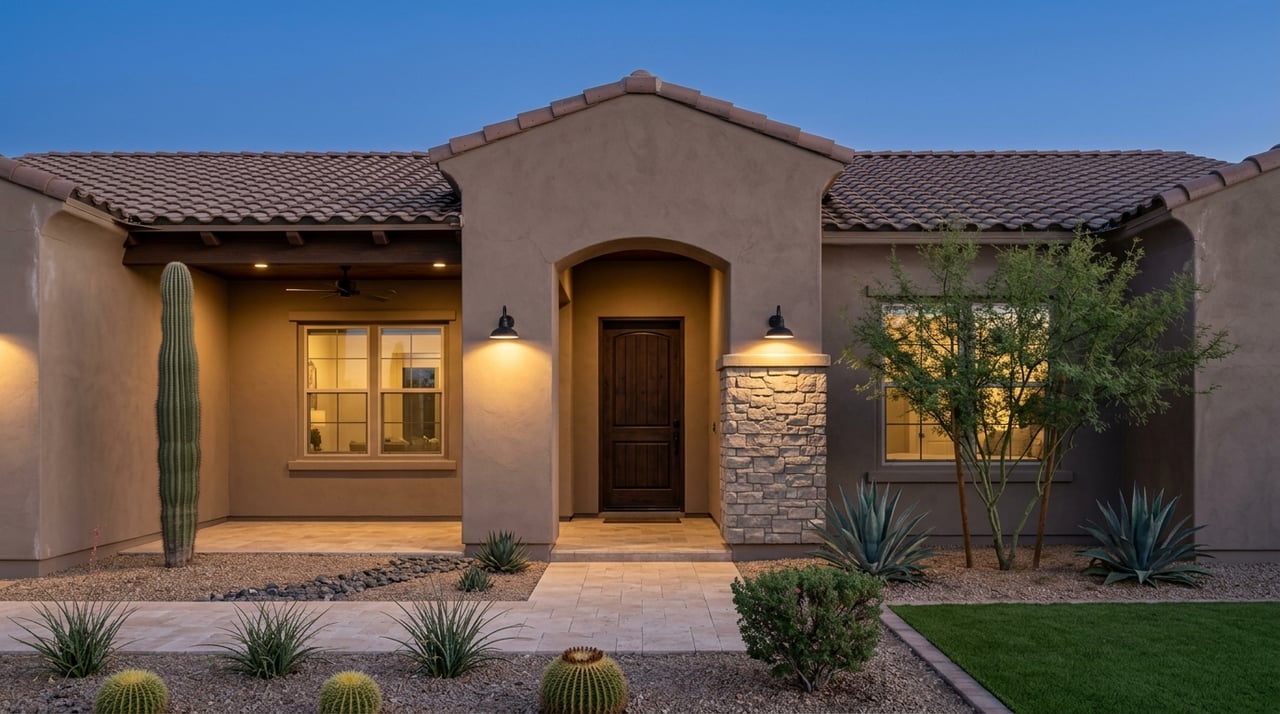
Single-family homes in the Foothills. If you want more privacy, garages for toys, or a pool, a traditional home can be a smart fit. Options range from value-oriented properties to newer builds on larger lots.
Before you count on rental income, check county and HOA rules for short-term rentals. Regulations and community policies can differ, and performance data changes by season.
Budget planning basics
Seasonal costs vary by how you stay and how long you stay. Here are general planning ranges to help you build a budget:
Low-cost approach: An RV site or a modest short-term rental can keep winter costs in the several-hundred to low-thousand dollars per month range. Rates swing by park, membership, and dates.
Mid-range: Renting a furnished 1 to 2 bedroom condo or small house typically runs from the lower hundreds to mid-thousands per month, depending on location, furnishings, and timing.
Buy and own: Real estate portals show a wide band of pricing in the Foothills. Recent snapshots place the median sale price near the low to mid 300 thousands, with neighborhood and home features shaping the final number. Figures differ by source and date. For the most current MLS-verified median and on-the-ground context, connect with a local agent.
Neighborhood notes
You will hear several common area names when you search: Mesa del Sol, Foothills Mobile Estates, The Seasons RV Village, and Desert Foothills. Some pockets sit closer to I-8 for a faster drive into Yuma. Others tuck deeper toward the mountains for a quieter feel. Your best fit depends on how often you plan to access Yuma services, your preferred lot size, and amenities like pools or golf.
Getting around and services
Travel and airports. Yuma International Airport serves local flights and general aviation. Many seasonal residents also fly into Phoenix or San Diego and then drive in on I-8 and connecting routes. For a regional snapshot, see the Yuma, Arizona overview. If you plan a summer drive, schedule around peak heat and carry extra water.
Medical care. Most Fortuna Foothills residents use Yuma for hospitals and specialty providers. You can find an overview of local resources through Visit Yuma’s medical services page. Check clinic and pharmacy hours ahead of winter stays.
Shopping and daily needs. The Foothills has growing retail, but Yuma remains the primary hub for larger grocery runs, hospitals, and big-box stores. The drive into Yuma is typically 20 to 30 minutes each way.
Heat, utilities, and safety
For long stays, prioritize homes or rentals with solid air conditioning and adequate electrical service. Given the area’s very hot summers, think about heat-related costs and a plan for power outages. The NOAA climate reports for Yuma County highlight long periods of extreme heat.
Desert safety basics go a long way. Use sunscreen, hats, and hydration on sunny days. Watch for dust advisories and adjust plans as needed. Practice water-wise habits, especially during the dry season.
A simple seasonal checklist
Arrival setup
- Confirm your reservation or lease dates and arrival instructions.
- Service A/C and replace filters. Test ceiling fans and shade systems.
- Turn on utilities, internet, and TV. Update forwarding for mail and packages.
- Stock hydration, sun protection, and basic medical supplies.
Daily and weekly rhythm
- Book tee times early in winter. Popular courses fill fast.
- Join park or community calendars to meet neighbors and plan outings.
- Time outdoor activities for mornings and evenings, especially from spring on.
Departure or summerization
- Set thermostats, close blinds, and secure shade structures.
- Shut off or reduce water as appropriate. Check with your HOA or park for best practices.
- Unplug small appliances and protect electronics with surge devices.
- Arrange for a local contact to check on the property during the off-season.
Golf, RV life, and outdoor fun
Golf is a core part of winter life here. The area offers multiple public and private courses in and around the Foothills. You can browse options on a regional golf course directory. Expect the highest tee-time demand from December through February.
RV culture is energetic in winter. Resorts host full activity calendars with pools, games, crafts, and social events. Get a feel for the pace by skimming a seasonal resort calendar, then call your preferred park to confirm current schedules and availability.
For low-cost recreation, start with local trails, off-road routes, and Colorado River access points. Visit Yuma’s guide to area towns links out to parks and visitor resources that help you plan day trips, birding, and boating.
Ready to explore homes or rentals?
Whether you want an RV base, a furnished winter rental, or a home you can lock and leave, local guidance makes seasonal living simple. As a bilingual, neighborhood-first advisor, I help you compare communities, read the market, and set up a smooth, remote-friendly transaction if needed. If you are considering buying, selling, or leasing in the Foothills, connect with Leticia Wapler to get a clear plan for your next season in the sun.
FAQs
When is the best time to arrive for winter in Fortuna Foothills?
- Most seasonal residents arrive from mid-October to November, with peak activity December through February and departures in March or April.
How hot does it get in summer and can I stay?
- Summer highs often exceed 100°F for long stretches. You can stay with reliable A/C and early or late outdoor schedules, but many part-time residents travel north.
What are common housing options for snowbirds in the Foothills?
- RV resorts and 55+ parks, furnished condos or small homes, manufactured homes and park models, and traditional single-family homes are all common choices.
How far is Fortuna Foothills from Yuma services?
- Central Yuma is about 14 to 17 miles away, or roughly a 20 to 30 minute drive for larger groceries, hospitals, and retail.
Are there nearby airports for seasonal residents?
- Yes. Yuma International Airport serves local flights. Many travelers also use Phoenix or San Diego and drive in on I-8.
Do short-term rental rules affect owning a rental here?
- Rules vary by county and HOA. Check community and local guidelines before counting on rental income, and review current performance with a local pro.